

Why Gradual Training Progression Matters for Injury Prevention
One of the most important parts of my job is helping people understand that just because pain has improved does not necessarily mean the body is fully prepared for the demands they want to return to.
I see this all the time.
A runner’s knee pain settles down, so they immediately return to their previous mileage. Someone’s back feels better after a few weeks off, so they jump right back into heavy lifting. An athlete gets “cleared” after rehab and returns straight into full practices and games. A busy adult decides to restart exercise after several inconsistent months and attacks workouts with the same intensity they used years ago.
Sometimes it works. Often, it doesn’t.
Recently, I read a research article published in the Journal of Orthopaedic & Sports Physical Therapy titled “How Much? How Fast? How Soon? Three Simple Concepts for Progressing Training Loads to Minimize Injury Risk and Enhance Performance.” The concepts discussed in this article closely reflect how I approach rehabilitation, personal training, and performance every single day.
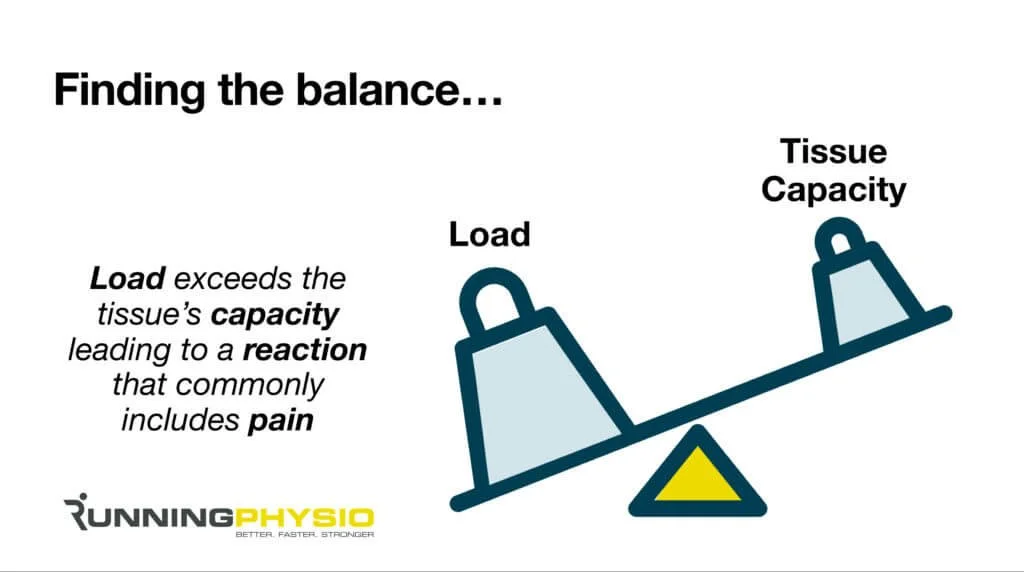
At its core, the article discusses something that sounds simple but is incredibly important: the body adapts best through gradual and systematic exposure to load. Too little stress and the body never changes. Too much stress too quickly and tissues can become overloaded, irritated, or injured.
That balance is where the art of rehabilitation and training really exists.
The article introduces three concepts that are incredibly useful for both athletes and active adults to understand: the floor, the ceiling, and time.
The “floor” represents your current physical capacity — what your body can safely tolerate right now. Your floor is influenced by many things: injury history, strength levels, conditioning, movement quality, recovery, sleep, stress, consistency, and age.
The “ceiling” represents the demands required for the activity you want to do. For one person, that might be finishing a marathon. For another, it may simply be getting through a round of golf without pain, keeping up with grandchildren, returning to recreational basketball, or training consistently three days per week.
The challenge is the space between the two.
The larger the gap between your current capacity and the demands you are trying to return to, the more time is required to safely bridge it.
Unfortunately, this is the exact part most people try to skip.
On a regular basis, I often talk about building capacity. That word matters. Our goal is not simply to reduce pain temporarily. Our goal is to improve what the body can tolerate over time.
Pain reduction is important, of course, but it is only part of the process.
If someone comes into physical therapy with knee pain while running, the ultimate goal is not simply getting them pain-free while sitting on the couch. The goal is helping them develop enough strength, tissue tolerance, aerobic fitness, and resiliency to handle the demands of running again. The same principle applies whether we are helping someone return to lifting, pickleball, golf, hiking, or simply feeling stronger and more confident in everyday life.
One of the biggest mistakes people make after injury is assuming they should return to their previous activity level simply because symptoms improved. In reality, tissue capacity often decreases during periods of inactivity or rehabilitation. Strength declines. Conditioning declines. Tendons and connective tissues lose tolerance to stress. Even if pain is gone, the body may not yet be prepared for the volume or intensity it once handled.
This is where reinjuries commonly happen.
The research article discusses how rapid increases in training load significantly increase injury risk. We see this constantly in both sports and general fitness. Athletes miss weeks of training and immediately jump back into full practices. Runners go from low mileage to high mileage too quickly. Adults who have been inconsistent with exercise suddenly decide to train intensely five days per week.
The body rarely responds well to those abrupt spikes.
What makes this especially difficult is that cardiovascular fitness often returns faster than tissue resilience. Someone may feel “in shape” from a breathing standpoint while their joints, tendons, and muscles are still poorly prepared for the demands being placed on them. This creates a dangerous mismatch between confidence and capacity.
That is why progressive loading matters so much.

Whether we are working with someone in physical therapy or personal training, we are constantly asking questions like:
How much can this person tolerate right now?
How quickly can we safely progress them?
What is the ultimate goal they are preparing for?
How do we build enough resilience to keep them there long term?
Those questions shape everything we do.
Sometimes that means slowing someone down temporarily so we can build them back up more effectively. Other times it means helping someone realize that consistency is more valuable than intensity. Many adults have developed an “all or nothing” relationship with exercise. They either train extremely hard or not at all. But long-term progress rarely comes from dramatic bursts of motivation. It usually comes from showing up consistently, applying the right amount of stress, recovering appropriately, and repeating that process over time.
The article also introduces another concept I really appreciate: raising the floor.
One of the best ways to reduce injury risk is to avoid dropping all the way into the “basement” during time away from sport or exercise. In other words, maintaining some level of strength, conditioning, and movement capacity year-round can make returning to activity significantly safer and easier.
This is especially important for adults over 40, runners, former athletes, and anyone with a previous injury history.
I often tell people that your body tolerates what it is prepared for.
If someone spends months relatively inactive and suddenly decides to aggressively train for a race, weekend tournament, or fitness goal, the body is often underprepared for the demands being asked of it. On the other hand, someone who maintains a reasonable baseline of strength and activity year-round usually transitions into higher levels of activity much more successfully.
That is one reason strength training is such a foundational part of what I do. Strength training is not just about muscle or aesthetics. It is about improving load tolerance. It is about building a more resilient body that can better handle the demands of life, sport, work, and recreation.
This philosophy also shapes how I approach return-to-sport and return-to-training progressions.
Being “cleared” does not automatically mean fully prepared.
A soccer athlete may be medically cleared after an ankle sprain, but if they have not rebuilt their conditioning, force production, deceleration ability, or tissue tolerance, they are still at increased risk. A runner may complete a few pain-free runs but still lack the capacity necessary for their previous mileage or pace. Someone returning to lifting may feel strong enough for heavier weights while their connective tissues are still adapting to increased loading demands.
These situations require patience, progression, and honest assessment.
That does not mean people should be afraid of training hard. In fact, the article makes an important point that I strongly agree with: higher chronic training loads, when built progressively and appropriately, can actually make athletes and active adults more resilient over time.
Load itself is not the enemy.
Poorly managed load is usually the problem.
The goal is not to avoid stress completely. The goal is to apply the right stress at the right time in the right amount.
Sometimes people are surprised when I tell them that rehabilitation and performance training are not separate worlds. In many ways, they are built on the same principles. Both involve understanding where someone currently is, where they want to go, and how to safely bridge that gap.
Whether I am working with an injured runner, a pickle ball player trying to move better, a former athlete returning to exercise, or an adult simply wanting to stay healthy and active long term, the process is remarkably similar.
We assess current capacity.
We identify the goal.
We progressively build resilience over time.
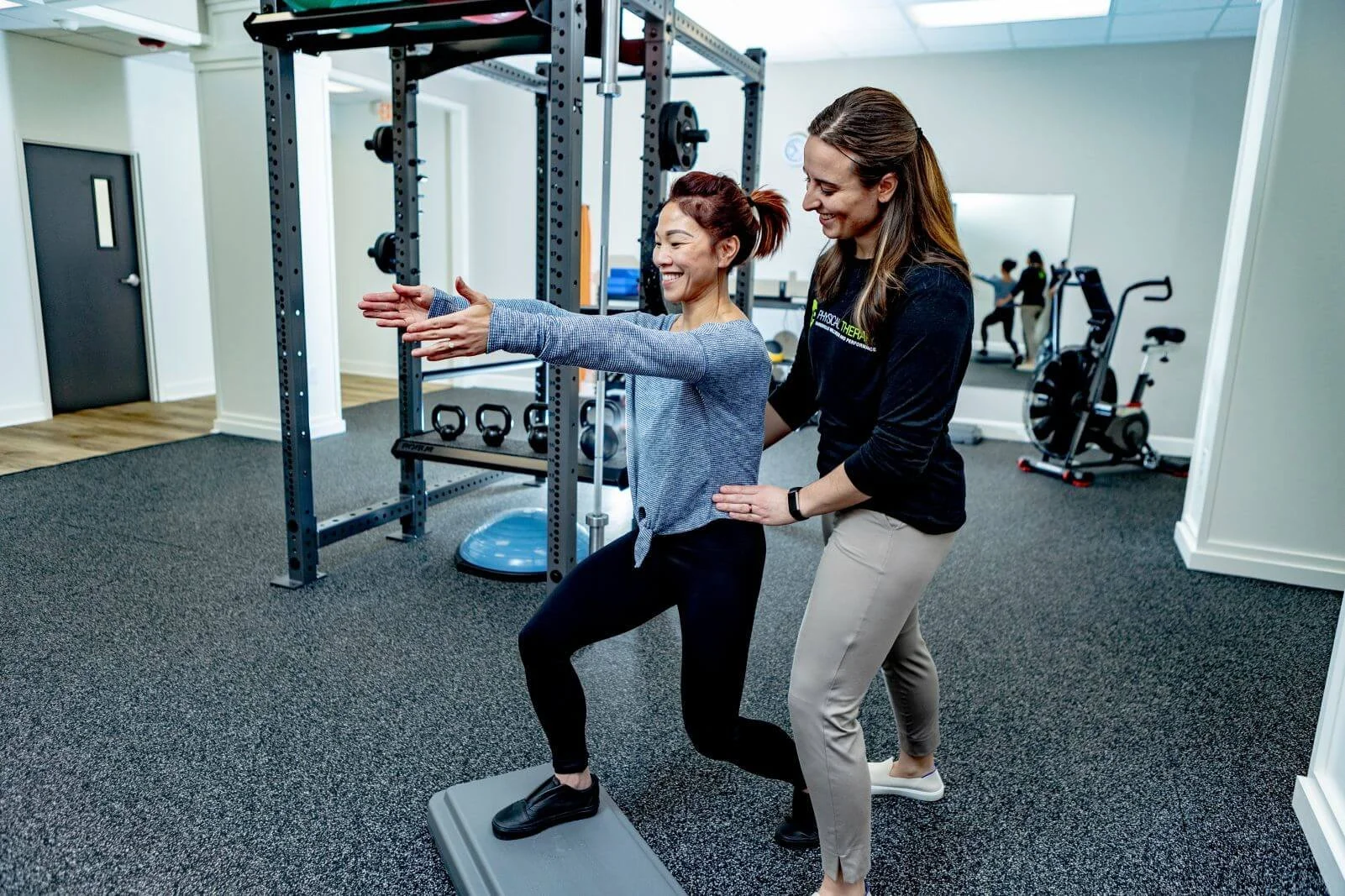
That process is rarely flashy, but it works.
The body adapts remarkably well when given the appropriate amount of stress combined with enough time and consistency.
At the end of the day, the goal is not simply getting people out of pain. The goal is helping people build bodies that are more resilient, more capable, and more prepared for the things they love doing.
Because the fastest way back is not always the safest way forward.
And long-term performance is almost always built through patience, preparation, and consistency.
Ready to Build a More Resilient Body?
If you are dealing with an injury, trying to return to training safely, or simply want to build a stronger and more resilient body, I’d be happy to help.
Click here to start the conversation.